Key Reasons Why Regular Auto Repair Proves Essential for Your Automobile's Longevity
Regular auto repair is essential for sustaining a vehicle's longevity. Regular maintenance procedures, such as oil changes and brake inspections, work to prevent significant issues down the line. These practices not only improve performance but also ensure safety on the road. By following recommended service schedules, drivers can enhance fuel efficiency and decrease costs. However, the question remains: what specific benefits arise from a consistent repair routine?
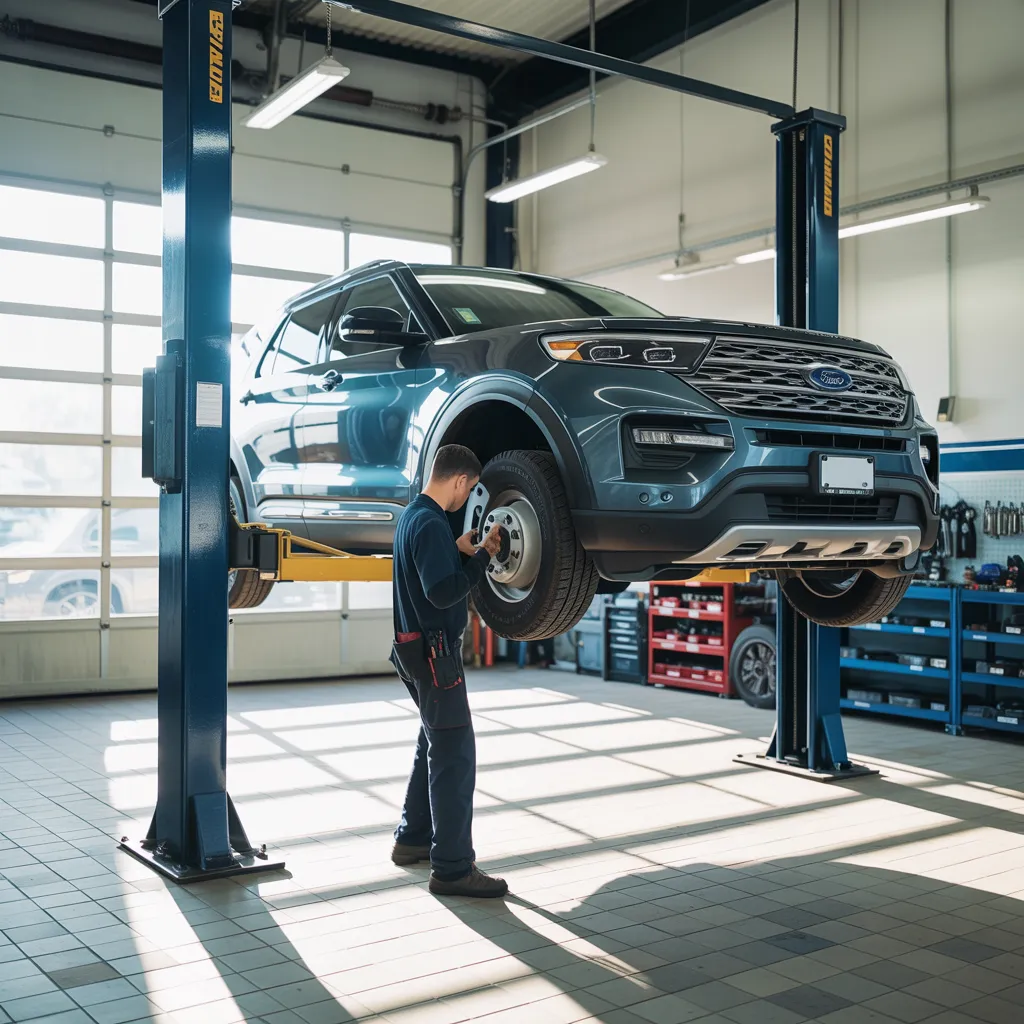
How Does Routine Auto Repair Prevent Serious Problems?
How do regular auto repair practices substantially reduce the risk of major vehicle issues? Regular inspections and timely repairs play an essential role in vehicle maintenance. By addressing minor problems before they escalate, drivers can prevent costly breakdowns and extensive damage. Regular checks of vital components like brakes, tires, and fluid levels allow for the identification of wear and tear. This proactive approach helps ensure that vehicles operate safely and smoothly.
Furthermore, mechanics can discover issues that might not be immediately apparent to the driver, such as engine misfires or transmission abnormalities. Neglecting these warning signs can lead to significant mechanical failures, often resulting in costly repairs or even accidents. By committing to a schedule of regular auto repair, vehicle owners not only boost safety but also lengthen the lifespan of their automobiles, ultimately conserving time and money in the long run.
Why Regular Service Makes Your Vehicle Last Longer
Regular maintenance is essential for increasing a vehicle's lifespan, as it avoids major breakdowns that can cause costly repairs. In addition, routine services and inspections can increase fuel efficiency, eventually saving drivers money at the pump. By focusing on routine upkeep, car owners can guarantee their vehicles remain dependable and cost-effective over time.
Avoids Serious Failures
Routine maintenance serves as a safeguard against significant breakdowns, guaranteeing a vehicle remains dependable over time. Regular inspections and timely repairs enable mechanics to recognize and address prospective issues before they escalate. For instance, regularly inspecting the engine, brakes, and transmission can expose wear and tear that, if overlooked, might result in catastrophic failures. Moreover, maintaining fluid levels and replacing filters can prevent overheating and mechanical strain. By sticking to a maintenance schedule, vehicle owners can substantially reduce the risk of unexpected breakdowns, which can be both problematic and costly. In the end, proactive care is vital in extending the lifespan of a vehicle, providing peace of mind to drivers as they navigate their daily travels.
Enhances Fuel Performance
Keeping up with a vehicle not only aids in preventing major breakdowns but also helps with enhancing fuel efficiency. matching information Regular maintenance, such as oil changes, air filter replacements, and tire rotations, guarantees that all components of the vehicle function optimally. A well-lubricated engine functions more smoothly, requiring less fuel. Additionally, properly inflated tires decrease rolling resistance, which directly influences fuel consumption. Neglecting maintenance can create clogged fuel injectors or dirty air filters, forcing the engine to work harder and waste fuel. By prioritizing routine auto repair, vehicle owners can benefit from improved mileage and reduced fuel expenses. In the end, ongoing maintenance not only prolongs the life of the vehicle but also supports a more economical and environmentally friendly driving experience.
How Safety Checks Impact Auto Repair Quality
While many vehicle owners emphasize routine maintenance, the significance of safety checks in auto repair remains paramount. These checks verify that critical components including brakes, tires, and lights function correctly, significantly reducing the risk of accidents. Regular safety inspections work to discover potential issues before they worsen, delivering peace of mind for drivers as well as passengers.
Additionally, safety assessments are critical for adherence with local regulations, as many areas mandate specific safety standards for vehicles. Disregarding these checks can result in legal sanctions and elevated repair costs if concerns are left untreated.
Additionally, a well-maintained vehicle elevates overall driving experience, contributing to confidence on the road. By committing to safety checks, vehicle owners do more than just protect their investment but also prioritize the safety of themselves and others. Ultimately, integrating safety checks into regular auto repair practices is fundamental for any responsible vehicle owner.
How Scheduled Servicing Optimizes Your Car's Fuel Consumption
Regular maintenance plays a significant role in increasing a vehicle's fuel efficiency. Periodic servicing, such as oil changes and air filter replacements, guarantees the engine functions smoothly. A properly lubricated engine decreases friction, permitting better fuel combustion. Moreover, checking alignment and tire pressure is critical; under-inflated or misaligned tires can raise rolling resistance, contributing to higher fuel consumption.
In addition, regular servicing includes inspections of fuel injectors and exhaust systems, which can greatly impact performance. Clean fuel injectors facilitate efficient fuel delivery, while a correctly functioning exhaust system prevents back pressure that can compromise engine efficiency.
In addition, mechanics frequently discover and address minor concerns before they worsen, ensuring that all components perform harmoniously. Ultimately, ongoing maintenance not only increases the lifespan of the vehicle but also enhances fuel efficiency, leading to an overall improved driving experience.
Cost Savings Achieved Through Regular Maintenance
Vehicle owners can achieve substantial cost savings through preventative maintenance, as fixing minor concerns before they escalate usually decreases maintenance costs. Scheduled maintenance activities and checks, like oil changes, tire rotations, and brake checks, help identify potential issues early on. By tackling these concerns promptly, vehicle owners sidestep significant repair costs and breakdowns stemming from oversight.
Moreover, preserving a vehicle's maximum performance can improve fuel efficiency, further reducing operating costs. Proactive maintenance also increases the lifespan of critical components, reducing the frequency of replacements.
Furthermore, various manufacturers offer warranties that demand regular servicing to keep valid. Maintaining a routine maintenance schedule guarantees compliance with these requirements, avoiding unexpected out-of-pocket expenses. To recap, investing in preventative maintenance produces substantial long-term savings, making it a prudent choice for vehicle owners aiming to manage their automotive costs effectively.
How Professional Auto Repair Expertise Enhances Vehicle Longevity
Skill in expert auto repair plays a pivotal role in maximizing vehicle longevity. Skilled technicians have comprehensive knowledge of automotive systems, enabling them to detect and address issues before they progress into significant problems. Their experience ensures accurate diagnostics, making certain that each repair is targeted and effective. Periodic inspections performed by professionals can uncover hidden wear and tear, facilitating timely interventions that keep vehicles operating efficiently.
Additionally, professional mechanics are well-versed in the latest technologies and repair techniques, which helps prolong a vehicle's lifespan. They use specialized tools and equipment, ensuring that repairs are carried out to manufacturer specifications. This compliance with standards preserves the integrity of the vehicle's components, reducing the chance of premature failure. Ultimately, the expertise of professional auto repair not only boosts performance but also delivers peace of mind, enabling vehicle owners to have a trustworthy mode of transportation for years to come.
How Frequently Should You Schedule Auto Repairs?
While many vehicle owners may underestimate the importance of scheduling auto repairs, doing so at regular intervals is essential for preserving a vehicle's health and longevity. As a rule, it is wise to schedule maintenance checks every 5,000 to 7,500 miles, based on the vehicle's make and model. This frequency permits mechanics to detect potential issues before they become significant problems.
Along with mileage-based intervals, vehicle owners should also be mindful of seasonal changes, as extreme temperatures can affect engine performance and tire conditions. Regular inspections should include oil changes, brake checks, and tire rotations. Furthermore, specific components, such as belts and hoses, may require attention based on the manufacturer's recommendations.
Questions & Answers
What Are the Symptoms That My Car Requires Immediate Repair?
Signs indicating a vehicle demands immediate repair include strange noises, warning lights on the dashboard, smoke or uncommon odors, fluid leaks, weak braking performance, and difficulty starting the engine. Timely attention can avoid further damage.
Is It Possible to Do My Own Auto Repairs to Cut Costs?
Yes, individuals can perform auto repairs themselves to save money, provided they have the necessary tools, knowledge, and skills. However, careful consideration is necessary, because inadequate repairs can lead to further damage and greater expenditures.
How Do I Find a Reliable Auto Repair Shop?
To pick a trustworthy auto repair shop, consider these steps: request recommendations, check online reviews, verify certifications, visit the shop to evaluate cleanliness and organization, and question regarding warranties on services to maintain reliability and quality.
Can I Perform Specific Maintenance Tasks at Home?
Home-based basic maintenance tasks can be performed by individuals, including checking tire pressure, changing engine oil, replacing air filters, and inspecting brake pads. These tasks help ensure vehicle performance and can avoid more serious problems.
What Are the Consequences of Skipping Regular Auto Repairs?
Neglecting regular auto service can result in lower vehicle performance, elevated repair costs, safety concerns, and potential breakdowns. Over time, disregarding maintenance may produce irreversible damage, ultimately cutting short the vehicle's lifespan and reliability.